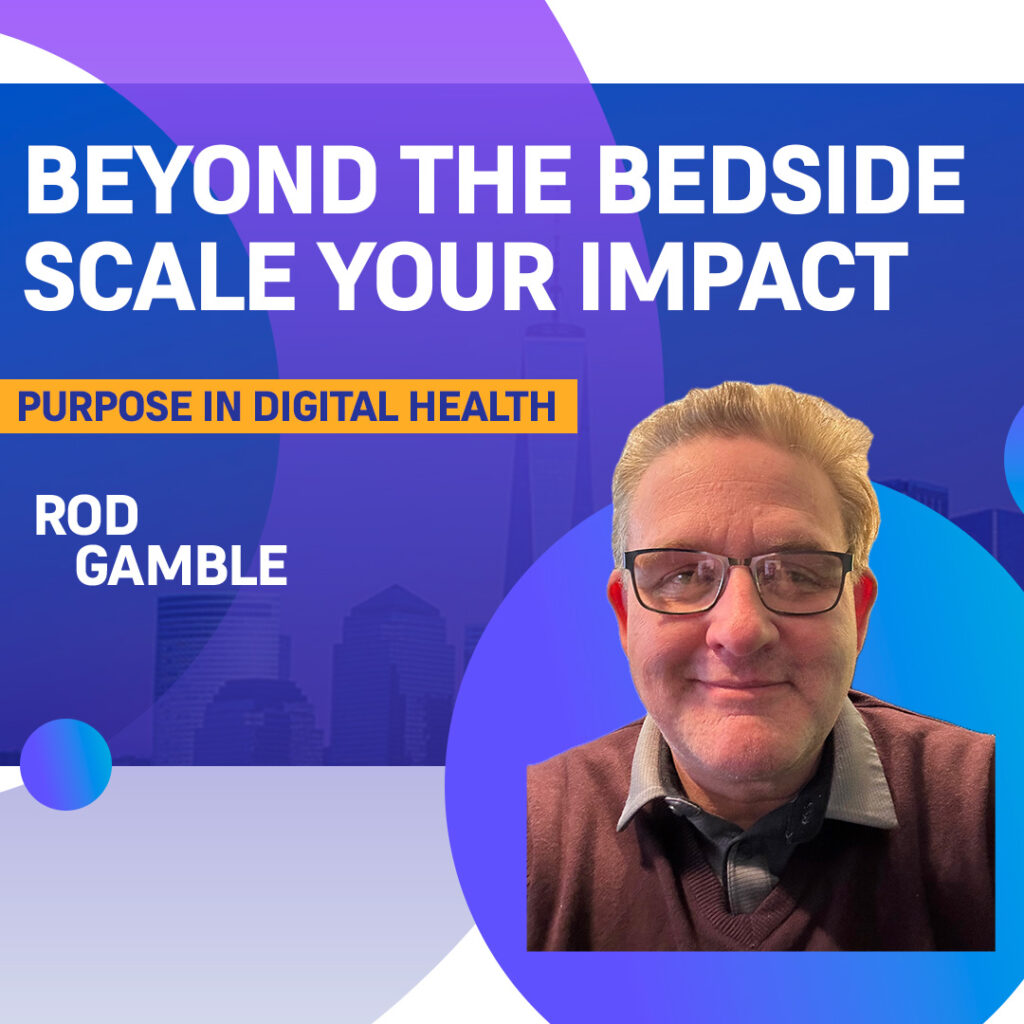
From Bedside Burnout to Big Data: Clinical Innovation Opportunities in Value-Based Care Tech
Written by Rod on December 1, 2025
The explosive growth of clinical innovation opportunities in value-based care is creating an unprecedented escape route for burnt-out healthcare professionals. As hospitals and health systems scramble to implement big data analytics while navigating complex privacy regulations, they’re desperately seeking clinicians who can bridge the gap between patient care and technology. This isn’t about abandoning your clinical identity—it’s about amplifying it. Your years of pattern recognition at the bedside, your instinct for spotting red flags, and your understanding of real patient needs are exactly what makes you invaluable in the $9.9 billion digital health market. While your colleagues continue grinding through night shifts and chaotic schedules, you could be earning $150-300 per hour from home, helping healthcare systems improve outcomes for thousands of patients simultaneously.
The Big Data and Privacy Revolution in Healthcare
Big data is transforming healthcare, and it’s not just for tech geeks. It’s about using massive datasets—think patient records, wearables, and hospital metrics—to predict outcomes, optimize treatments, and cut costs. A 2025 HealthIT Analytics report highlighted that big data analytics reduced hospital readmissions by 25% in value-based care programs, where payment is tied to patient outcomes, not procedures. But here’s the catch: with great data comes great responsibility. Privacy regulations, like the EU’s AI Act and U.S. HIPAA updates, are tightening to protect patient information, creating a demand for clinicians who can innovate while keeping data safe.
I used to think big data was for programmers, not nurses. Then I joined a project analyzing patient data to improve diabetes management in a value-based care system. My job wasn’t coding—it was ensuring the data insights made sense for patients and clinicians while meeting privacy standards. That project paid $20,000 for six weeks, and it was just the start. Healthcare organizations are paying top dollar—$150-$300 per hour—for clinicians who can bridge clinical expertise with big data and privacy know-how.
Why Your Clinical Expertise Is the Key
You don’t need a computer science degree to thrive in this space. Your clinical experience—those years of spotting patterns in patient symptoms or navigating complex care plans—is what makes you invaluable. Big data systems need your brain to ensure analytics serve real patient needs. For example, I helped a health system use predictive analytics to identify at-risk patients, but my real value was ensuring the system flagged the right risks (like medication non-compliance) without violating HIPAA privacy rules.
Value-based care, where providers are rewarded for keeping patients healthy, relies on data to track outcomes. The 2025 OECD Health at a Glance report notes that 70% of developed healthcare systems are shifting to value-based models, fueled by big data. But without clinicians, these systems risk becoming tech-heavy and patient-light. Your ability to spot a flawed workflow or a privacy red flag is what makes big data work—and it’s why organizations are desperate for your expertise.
From Bedside to Boardroom: My Journey
When I was a bedside nurse, my impact was limited to the six patients I cared for per shift. Burnout was real, and I felt like my expertise was trapped in a system that didn’t value it. Then I started consulting on big data projects, helping a hospital chain use analytics to reduce ER visits. My clinical instincts—knowing when a patient’s chart screamed “trouble”—translated into designing algorithms that caught those red flags early. I also ensured patient data stayed secure, aligning with new privacy laws like the EU’s AI Act, which mandates strict AI and data governance in healthcare.
The financial rewards were staggering. My first big data consulting contract paid $15,000 in a month, and by year two, I was earning $200,000 annually through multiple projects. But the real win was professional freedom. I worked from home, set my own hours, and collaborated with global teams, all while making a bigger impact than I ever could at the bedside. My clinical credibility didn’t vanish—it became my ticket to a career where I innovate daily.
The Global Demand for Clinical Innovators
This isn’t a niche trend—it’s a global shift. The UK’s NHS is investing £1 billion in data-driven value-based care by 2028, per their 2025 Digital Health Plan, with privacy compliance as a core focus. Australia’s Digital Health Agency reported a 50% increase in big data projects for rural care in 2024, all requiring clinical input to ensure patient trust. Even developing nations are adopting big data for public health, as I’ve seen in Pakistan’s leapfrog projects. These trends mean your skills are in demand worldwide, with consulting rates reflecting that scarcity.
A 2025 MedTech Dive report noted $9.9 billion in digital health investments, much of it in big data and analytics. Companies like Epic and Cerner are hiring clinicians as Chief Clinical Information Officers to guide data projects, with salaries often exceeding $250,000. Your ability to ensure data-driven care respects privacy and improves outcomes is a goldmine.
Overcoming the Fear of Transition
I was scared to leave nursing—afraid I’d lose my identity or fail in a “tech” role. But those fears were myths. My first big data project came from a hospital needing someone to translate clinical needs into analytics tools. I learned privacy basics (like HIPAA and GDPR) through free online resources, and my clinical experience did the rest. Clients paid on time, thanks to clear contracts, and my work shaped systems that saved lives. The real risk was staying in a job that capped my potential.
Your Roadmap to Big Data Success
Ready to turn your clinical expertise into innovation riches? Here’s how:
Step 1: Learn the Basics (Months 1-3) Take free courses on big data and privacy (Coursera or HIMSS) to understand analytics and regulations like HIPAA or the AI Act. Follow X communities discussing value-based care trends.
Step 2: Build Your Portfolio (Months 3-6) Volunteer for data projects at your workplace or pitch to health tech startups. Document your impact—like improving a workflow or ensuring privacy compliance—to attract clients.
Step 3: Launch Your Consulting Career (Months 6-12) Start with one contract at $100-$150/hour, focusing on analytics or privacy guidance. Network with digital health leaders at conferences or on X. Aim for $100,000+ in your first year.
The Choice for Innovation
You can stay in a system that limits your impact and income, or you can seize the big data and privacy revolution to innovate healthcare. My leap into digital health wasn’t about leaving nursing—it was about amplifying my expertise to serve thousands. The demand for clinicians who can navigate big data and privacy in value-based care is skyrocketing, and your skills are the key to unlocking those riches.
Are you ready to discover how your clinical expertise can shape the future of healthcare? Let’s talk about turning your skills into a career of innovation and opportunity.
References
- HealthIT Analytics (2025). Big data reduces readmissions in value-based care. https://healthitanalytics.com/news/big-data-impact
- OECD (2025). Health at a Glance 2025: Value-based care trends. https://www.oecd.org/health/health-at-a-glance
- MedTech Dive (2025). Digital health funding Q3 2025. https://www.medtechdive.com/news/digital-health-funding
- European Commission (2024). The AI Act: Healthcare provisions. https://digital-strategy.ec.europa.eu/en/policies/regulatory-framework-ai
- NHS England (2025). Digital Health Plan 2028. https://www.england.nhs.uk/digitalhealth